Spring in Halton Hills brings dramatic temperature swings that raise a practical question for Toyota drivers: when do you swap winter tires, and what replaces them? Once daily temperatures reliably stay above 7°C, keeping winter rubber on your RAV4 Hybrid or Camry hurts fuel economy, handling, and tire life. This guide covers exact tire specs for Toyota's lineup, explains trade-offs between summer and all-season compounds, and helps you choose tires that protect performance and your wallet.
Ontario has no law requiring summer or all-season tires, but the Highway Traffic Act enforces minimum tread depth (5 mm across 75% of tread width), no exposed cords, and tires matching your vehicle's load rating. The 7°C rule signals when to switch: summer tires harden and lose grip below this threshold, making them unsafe in cold conditions. All-season tires offer year-round convenience without the performance penalties of leaving winter tires on too long.
Summer vs. All-Season: What Ontario Drivers Need to Know

Summer tires are built for warm weather. The rubber compound stays sticky above 7°C, delivering sharper steering, shorter braking distances, and better wet traction through larger water-dispersing grooves. The trade-off is faster wear due to the softer compound. For sportier models like the GR Corolla, summer tires deliver the handling precision Toyota engineered into the chassis.
All-season tires suit most Ontario drivers. The compound adapts to moderate heat and cool snaps, offering balanced rain and dry performance without seasonal swaps. Tread life is longer, making them more economical. For daily commuting and errands around Georgetown and Acton, all-season tires cover your needs without sacrificing comfort or safety.
|
Feature
|
Summer Tires
|
All-Season Tires
|
|
Optimal temperature
|
Above 7°C
|
Spring through fall
|
|
Wet traction
|
Superior (larger grooves)
|
Good in rain
|
|
Tread life
|
Shorter (grip trade-off)
|
Longer, more economical
|
Why Hybrids Need Low-Rolling-Resistance Tires
For RAV4 Hybrid, Camry Hybrid, or Corolla Hybrid drivers, tire choice directly affects fuel economy. Hybrids require low-rolling-resistance tires to preserve battery range and maximize efficiency. Standard performance tires increase energy needed to turn wheels, reducing efficiency. Toyota equips hybrids with low-rolling-resistance tires from the factory; wrong replacements increase fuel consumption.
Major brands now offer hybrid-optimized lines balancing grip, comfort, and efficiency. Look for "low rolling resistance" on the sidewall or ask Georgetown Toyota's service team to confirm hybrid compatibility.
The efficiency penalty is real. Switching from low-rolling-resistance to standard all-season tires can reduce hybrid fuel economy. The upfront investment in correct tires pays for itself in fuel savings and longer tread life.
Choosing Tires for Your Toyota Sedan
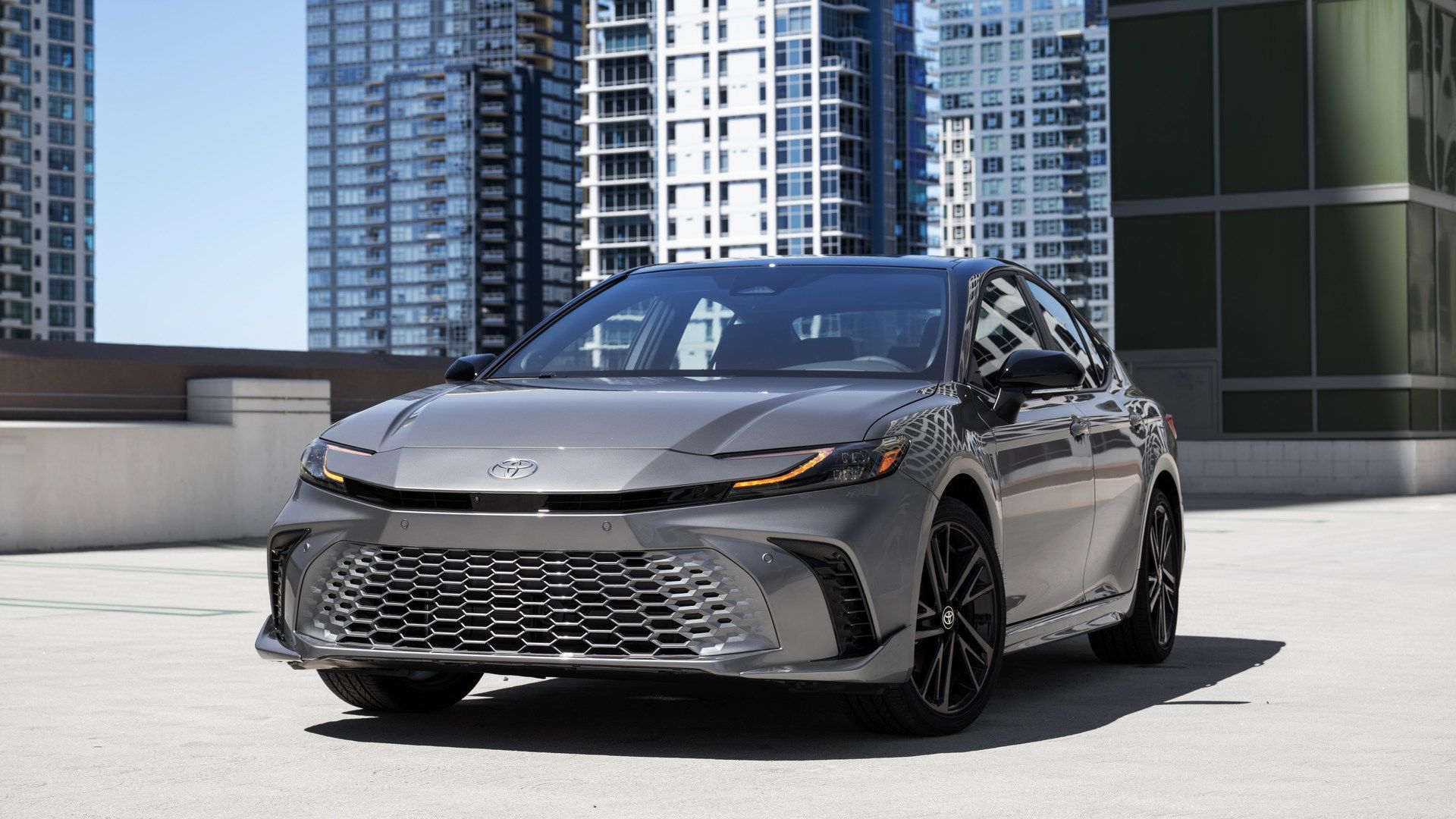
The Camry and Corolla prioritize comfort, low road noise, and predictable wet handling. Both are designed for commuting and highway cruising, so tire choice should emphasize longevity and all-weather capability. The door jamb sticker lists exact OEM size - mixing sizes or load ratings affects handling and may void warranty coverage. Georgetown Toyota's service team can confirm the correct specifications for your model year and trim.
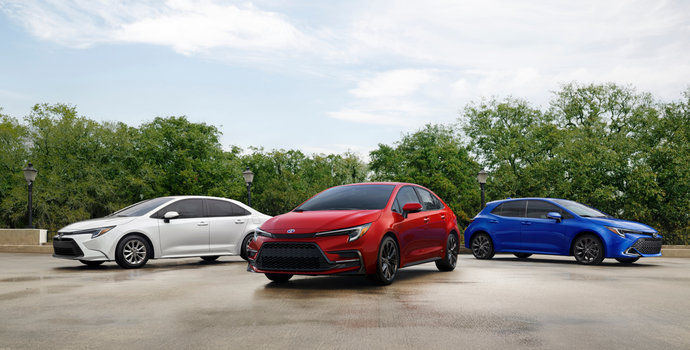
For Camry drivers wanting sportier handling without sacrificing comfort, summer tires offer excellent dry grip and responsive steering. For year-round convenience, all-season tires provide capable performance with better snow traction than traditional all-season tires. Corolla drivers prioritizing fuel economy and quiet ride should consider tires that deliver low rolling resistance and long tread life without compromising wet traction.
Tire pressure matters more than most realize. Cold winter temperatures drop tire pressure, increasing rolling resistance and reducing fuel economy. Check pressure monthly, especially during spring temperature fluctuations. Use the recommended PSI on the door jamb sticker - not the maximum PSI on the tire sidewall. Underinflated tires wear unevenly, reduce handling precision, and cost fuel economy.
Choosing Tires for Your Toyota SUV
The RAV4 Hybrid, Highlander, and 4Runner have different needs based on size, weight, and use. Load rating is critical - insufficient capacity causes premature wear, handling issues, and safety risks.
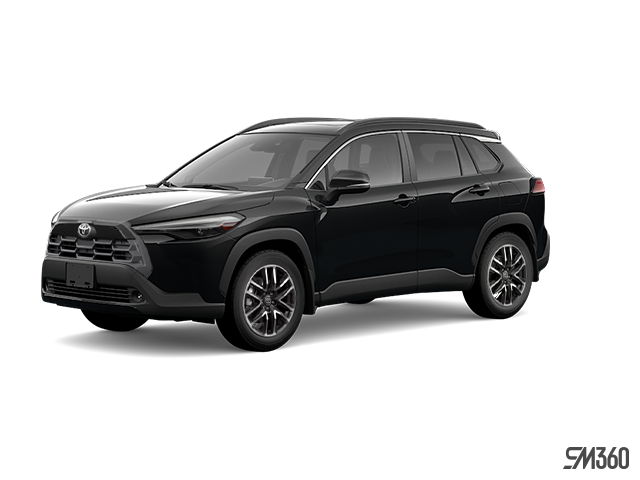
For RAV4 Hybrid and Highlander drivers prioritizing fuel economy and quiet ride, all-season tires offer low rolling resistance and excellent wet traction. Many are engineered for hybrid SUVs and deliver long tread life. For occasional gravel roads or better snow traction, look for the Three-Peak Mountain Snowflake (3PMSF) symbol indicating severe snow capability.
4Runner drivers have different priorities. For off-road adventures, towing, or winter cottage trips, all-terrain tires offer aggressive tread, higher load ratings, and better traction on loose surfaces. The trade-off is road noise and slightly reduced fuel economy. For mostly pavement driving, highway-terrain tires provide quieter ride and longer tread life while offering enough off-road capability for occasional gravel roads.
Tire Maintenance Tips for Ontario Drivers
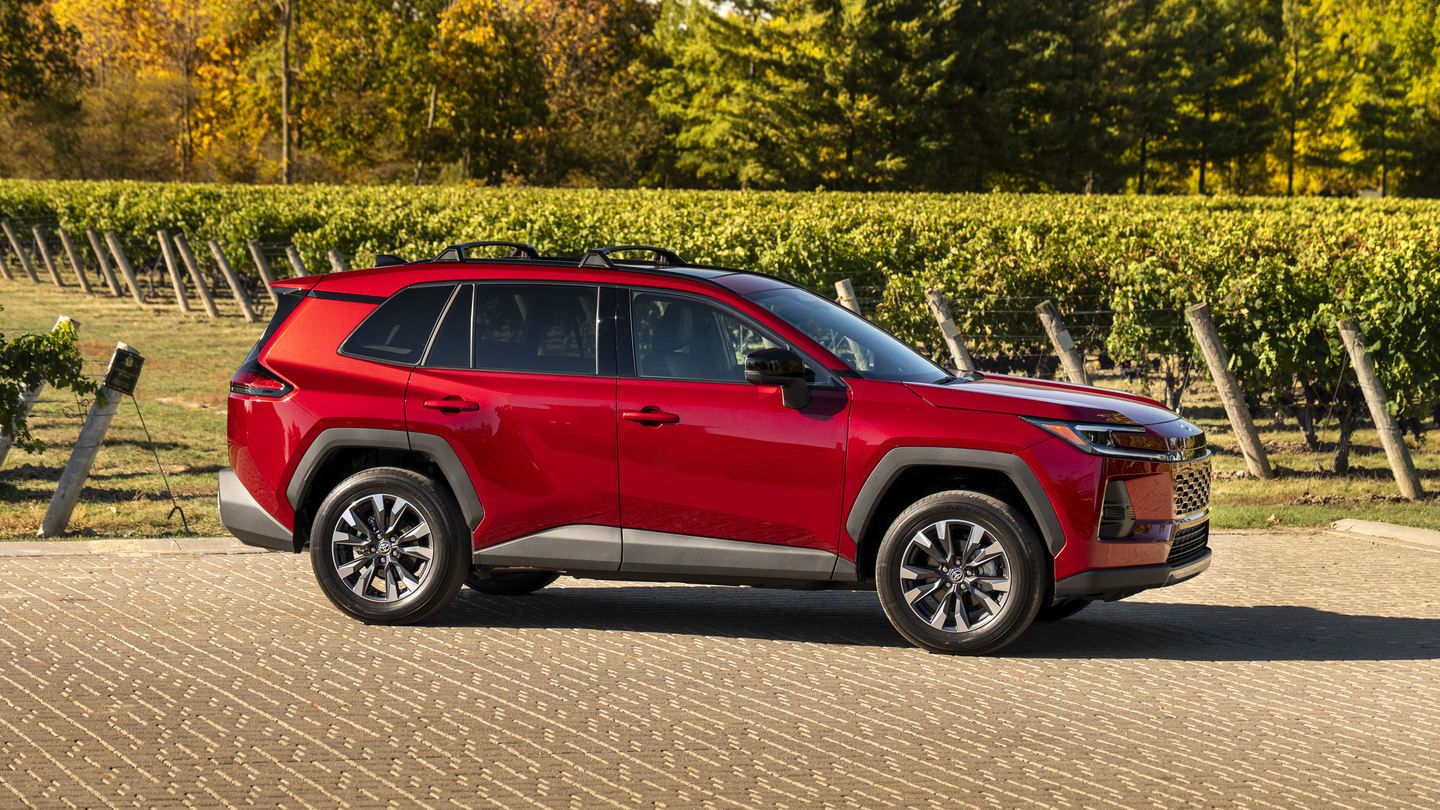
Rotate tires every 10,000-12,000 km for even wear and maximum tread life. Check tread depth regularly - Ontario requires 5 mm minimum across 75% of tread width, but replacing at 6 mm is safer and improves wet traction. The quarter test offers a quick check: insert a 25-cent coin into the tread groove with the caribou's nose facing down. If you see the top of the nose, replace tires.
Wheel alignment is critical after Ontario's pothole season. Potholes, ice ridges, and curb impacts knock alignment out, causing uneven tire wear and reduced fuel efficiency. If your steering wheel pulls, your vehicle drifts, or you notice uneven tread wear, book an alignment check at Georgetown Toyota.
Store winter tires properly to extend life. Wash and dry thoroughly before storage to prevent salt-induced corrosion. Store in a cool, dry place away from sunlight and ozone sources. If stored on rims, stack flat. If stored off rims, stand upright and rotate every few weeks to prevent flat spots.
Book Your Tire Service at Georgetown Toyota
Choosing the right tires for your Toyota hybrid, sedan, or SUV protects your investment and keeps you safe on Ontario's unpredictable spring roads. Low-rolling-resistance tires preserve hybrid fuel economy, while proper load ratings and tread patterns ensure your SUV handles safely in all conditions. Georgetown Toyota's service team can confirm correct OEM tire size, recommend tires matching your driving style, and handle the full seasonal swap in one appointment.
Our tire centre stocks brand-name summer and all-season tires from Michelin, Bridgestone, Goodyear, Hankook, and BFGoodrich. We offer a price match guarantee, and our technicians complete tire installation, balancing, alignment checks, and rotation in one visit. Visit Georgetown Toyota in Georgetown, Ontario, serving drivers in Brampton, Milton, Mississauga, Acton, and Erin.
You might also be interested in these blogs: