If you drive a Toyota hybrid, plug-in hybrid, or fully electric model around Georgetown and the surrounding Halton Hills area, you may wonder how service differs from a conventional gas vehicle. The good news is that Toyota designed its electrified lineup to be simple to own and simple to maintain, with regular care that looks a lot like what you already know from any Toyota.
This guide walks through what counts as a Toyota electrified model, how often your vehicle needs service in Ontario, what happens during a visit, and the long-term battery warranty coverage that protects your investment for years after you drive off the lot. By the end, you will have a clear picture of what electrified ownership really looks like day to day — and why it continues to appeal to so many drivers in Georgetown and across Ontario.
What Counts as a Toyota Electrified Model?
Toyota uses the word "electrified" to describe four different powertrain types, not just battery-only EVs. If your vehicle uses some form of electric power, it falls into one of these categories:
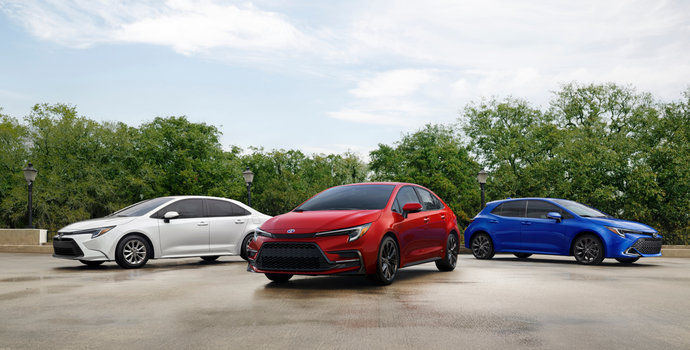
- Hybrid Electric Vehicle (HEV): Runs on gas and an electric motor. Examples include the RAV4 Hybrid, Corolla Hybrid, Camry, Crown, and Grand Highlander Hybrid.
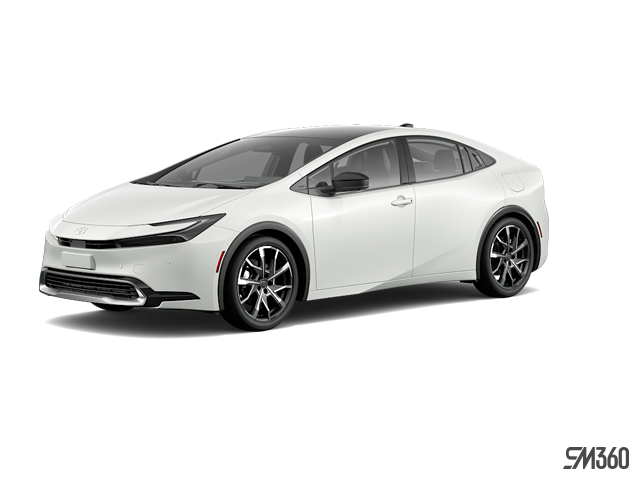
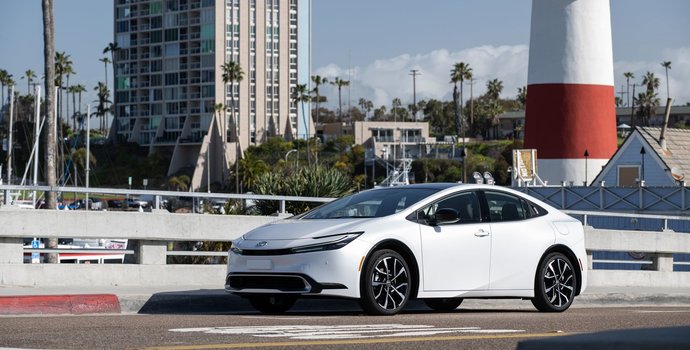
- Plug-in Hybrid Electric Vehicle (PHEV): Combines a gas engine with a larger battery you can plug in. Examples include the 2026 Prius PHEV and RAV4 PHEV.
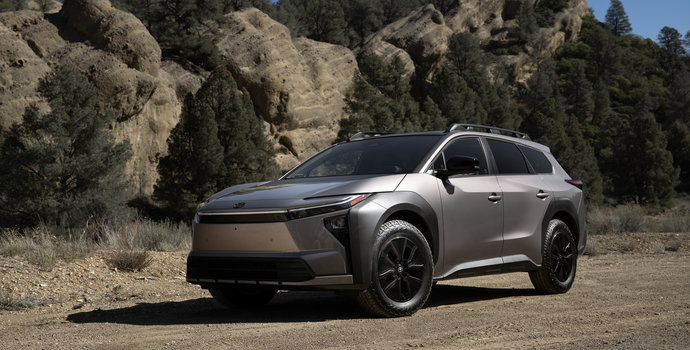
- Battery Electric Vehicle (BEV): Runs only on electricity. The 2026 Toyota bZ and 2026 C-HR BEV fall into this group.
- Hydrogen Fuel Cell Electric Vehicle (FCEV): Uses hydrogen to make electricity on board. This is niche in Canada and not sold in every region.
Most Toyota owners in Georgetown will be driving an HEV, a PHEV, or a BEV. The same factory-trained technicians at Georgetown Toyota service all of them.
How Often Does a Toyota Hybrid or EV Need Service?
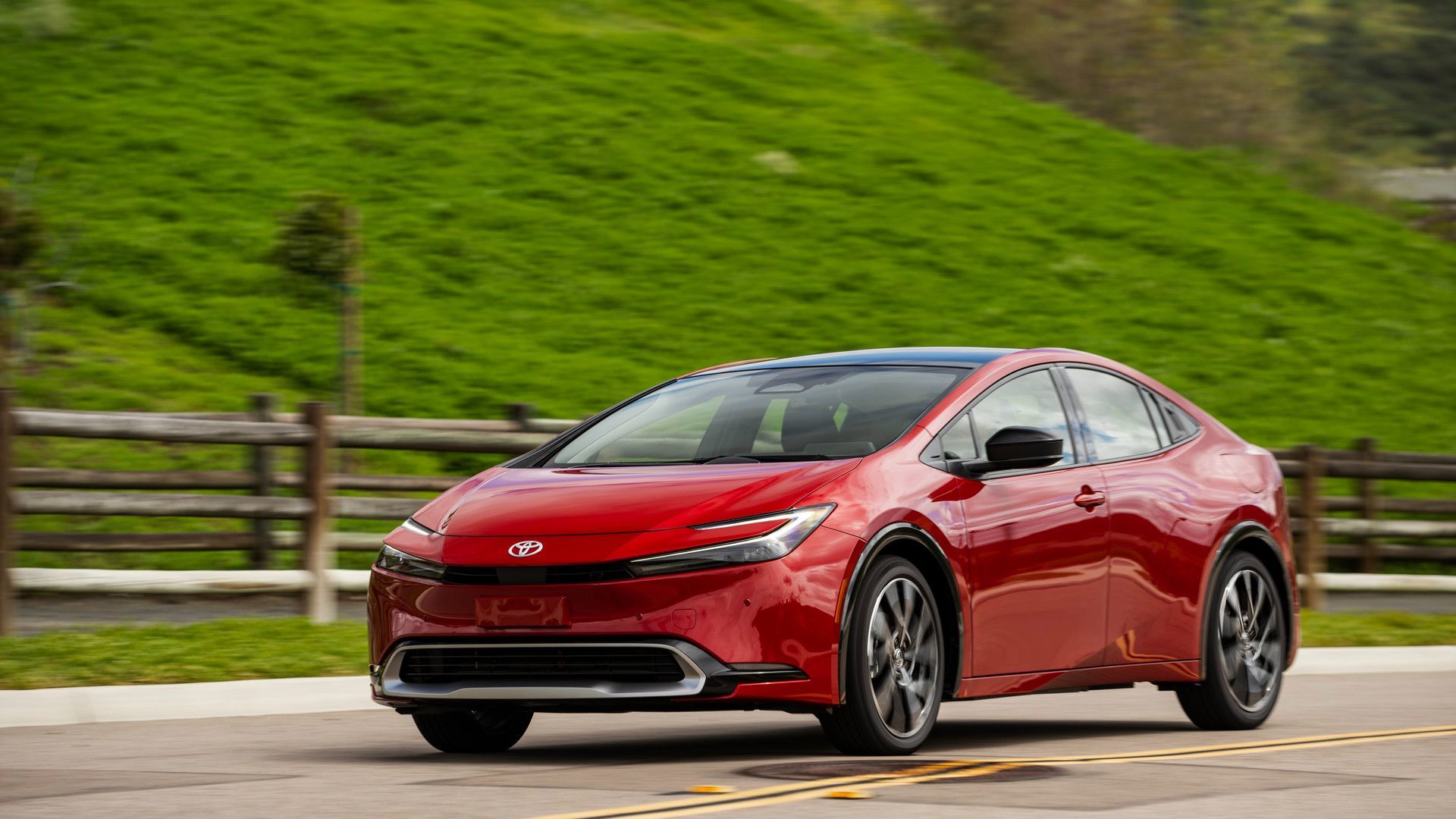
Toyota Canada sets one standard maintenance cadence for the entire lineup, gas and electrified alike. According to the 2026 Toyota Owner's Manual Supplement, maintenance is required every 6 months or 8,000 km, whichever occurs first.
That rhythm works well for Ontario driving conditions, where winter salt, summer heat, and daily highway commutes along the 401 and 407 all add stress to your vehicle. Going electrified doesn't mean going service-free — it means Toyota has streamlined what needs to happen at each visit. You still show up twice a year or every 8,000 km, whichever comes first.
What Happens During an Electrified Service Visit?
A typical service appointment on a Toyota hybrid or EV covers most of the same items as a gas Toyota, plus a few checks specific to the electrified system.
Standard inspections include:
- Brake pad, rotor, and brake fluid checks
- Tire tread depth, inflation, rotation, or seasonal changeover
- Lights, horn, wipers, and washer fluid
- Cabin air filter inspection and replacement when needed
- Coolant and other fluid levels
Electrified-specific items include a visual inspection of the hybrid or EV battery cooling intake, a diagnostic scan of the high-voltage system, and a health check of the 12-volt auxiliary battery. Every Toyota, gas or electrified, still uses a conventional 12-volt battery to power accessories and start the car's electronics.
How Electrified Service Differs From Gas Service
For drivers used to oil changes and exhaust work, electrified ownership brings a few welcome changes.
Fully electric models like the 2026 Toyota bZ skip engine oil changes, spark plugs, timing components, and exhaust service entirely. There simply isn't a gas engine to maintain. Hybrids and PHEVs, on the other hand, still have a gasoline engine, so they still need engine oil and filter changes at Toyota's recommended intervals.
Another difference is brake wear. Hybrid and electric Toyotas use regenerative braking to slow the vehicle and recover energy back into the battery. Because the friction brakes do less work than on a gas car, brake pads and rotors often last longer — though they still need regular inspection as part of every visit.
Software is the other quiet change. Modern electrified vehicles receive periodic software updates that can refine how the battery, motor, and driver-assist systems behave. A service visit is the natural time to apply those updates and check for any open campaigns.
Toyota's Long-Term Hybrid and EV Battery Warranty Coverage
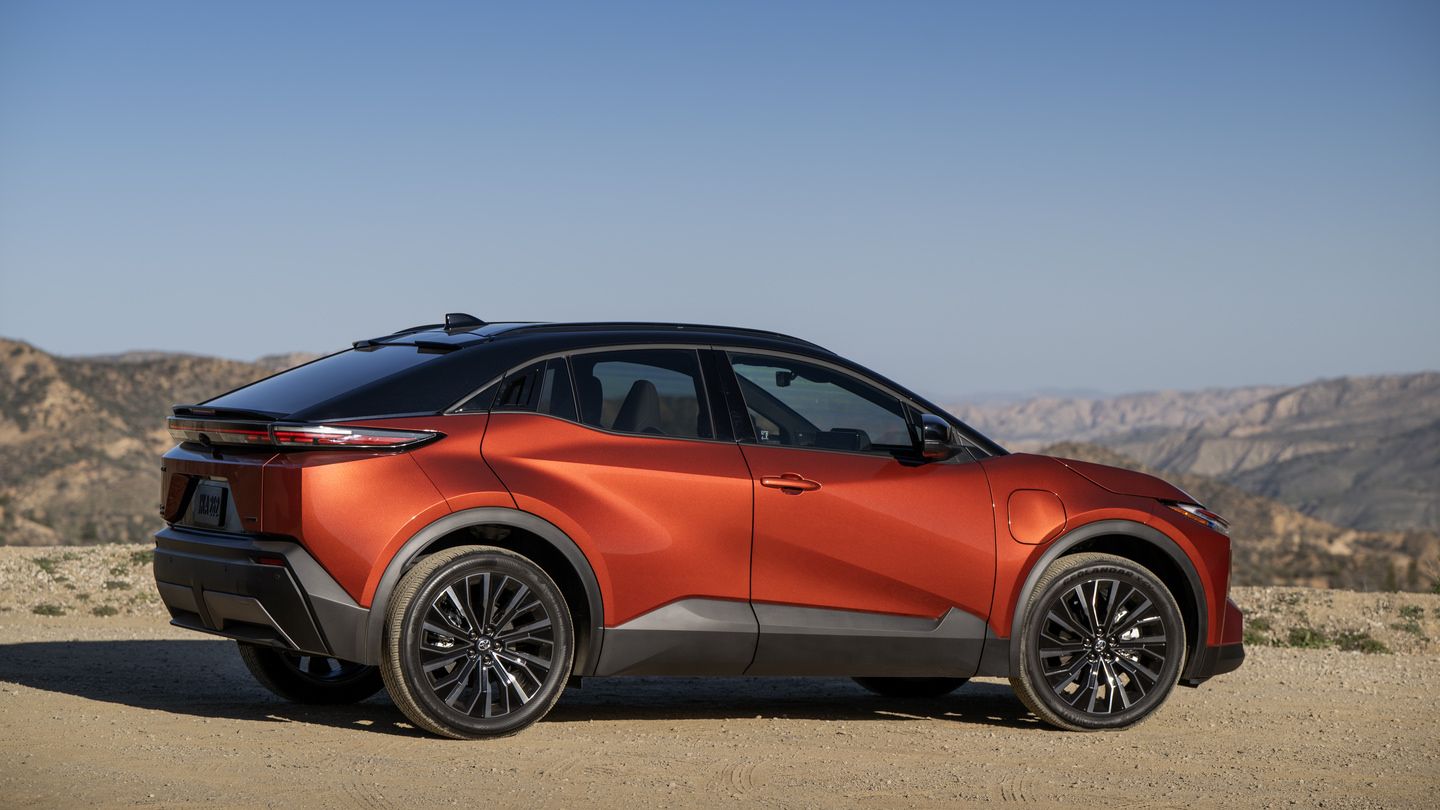
The biggest peace-of-mind difference with a Toyota hybrid or EV is how long Toyota stands behind the battery. The 2026 Toyota Owner's Manual Supplement confirms the following coverage terms, each measured from the warranty registration date and whichever occurs first.
|
Coverage Type
|
Duration
|
Applies To
|
|
Hybrid Battery Warranty
|
120 months or 240,000 km
|
HEVs and PHEVs
|
|
Hybrid-Related Components Warranty
|
96 months or 160,000 km
|
Battery Control Module, Hybrid Control Module, Inverter with Converter
|
|
EV Traction Battery Warranty
|
96 months or 160,000 km
|
BEVs like the 2026 Toyota bZ and C-HR BEV
|
|
EV Traction Battery Capacity Warranty
|
96 months or 160,000 km
|
Covers capacity that drops below 70% of original
|
|
BEV-Specific Components Warranty
|
96 months or 160,000 km
|
Transaxle and Inverter with Converter
|
In plain terms, that means a Toyota hybrid battery is covered for up to 10 years or 240,000 km, and a Toyota EV traction battery is covered for up to 8 years or 160,000 km — including a capacity guarantee that the battery will not drop below 70% of its original capacity during that window. For most Ontario families, that stretches well past typical ownership cycles.
Why Toyota Genuine Parts Matter for Your Warranty
When something does need to be replaced during a service visit, Toyota strongly recommends Toyota Genuine Parts. The 2026 Toyota Owner's Manual Supplement explains that Toyota emission and electrified systems were designed, built, and tested using Toyota Genuine Parts, and that non-equivalent replacement parts can impair how those systems work.
This matters in two practical ways for Ontario drivers. First, using non-genuine parts that aren't of equivalent quality or capacity can affect your emission and warranty coverage. Second, advanced systems like Toyota Safety Sense — the driver-assist suite that includes Pre-Collision with Pedestrian & Bicyclist Detection, Lane Departure Alert, and Dynamic Radar Cruise Control — rely on precisely calibrated components. Aftermarket substitutes may not match those tolerances, which can affect how those safety features perform.
When you bring your hybrid or EV to Georgetown Toyota, you get Toyota Genuine Parts installed by technicians who are trained on Toyota systems specifically. That protects both your warranty and the safety equipment you relied on when you chose the car.
Key Takeaways for Ontario Hybrid and EV Owners

|
Topic
|
What to Know
|
|
Service interval
|
Every 6 months or 8,000 km
|
|
Hybrid battery coverage
|
120 months or 240,000 km
|
|
EV traction battery coverage
|
96 months or 160,000 km
|
|
EV battery capacity floor
|
Covered below 70% of original capacity for 8 years or 160,000 km
|
|
Recommended parts
|
Toyota Genuine Parts to protect warranty and Toyota Safety Sense calibration
|
|
Where to service
|
Any authorized Toyota Dealer with factory-trained technicians
|
Service Your Hybrid or EV at Georgetown Toyota
Regular service is how you protect both your daily drive and the long warranty that came with your Toyota. If you own a hybrid, PHEV, or electric Toyota in Georgetown or anywhere in Halton Hills, our service team is ready to keep everything running smoothly — from routine inspections to software updates to high-voltage battery care. Visit Georgetown Toyota to book your next appointment and keep your electrified Toyota in the shape it deserves.
You might also be interested in these blogs: